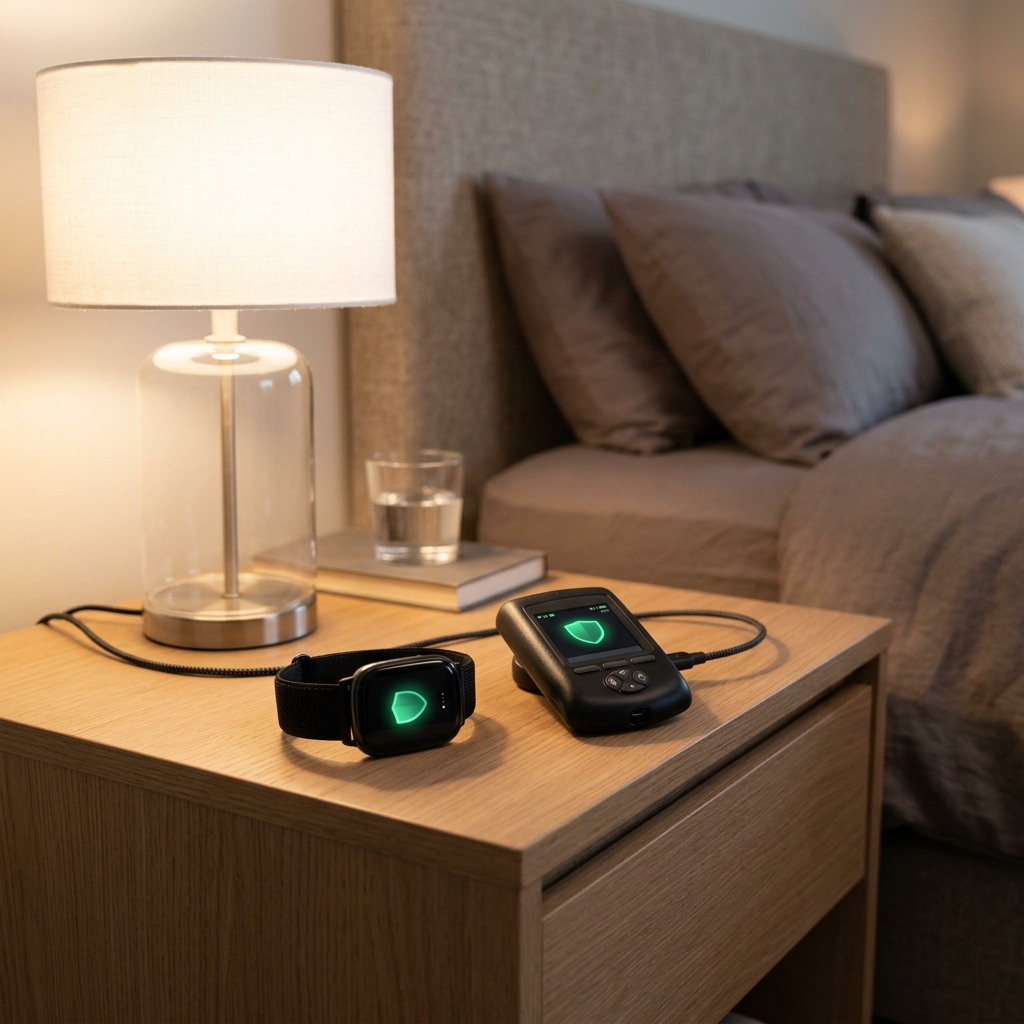
Medical Device Security: Protecting Your Pump, Monitor, and Health Data
Technology has revolutionized how we manage our health in retirement. Millions of UK seniors now use 'Connected' medical devices—from insulin pumps and CPAP machines to pacemakers and wearable heart monitors. These devices send vital data to our GPs and specialists in real-time, literally saving lives. But in 2026, these devices have also become 'Endpoints' on the internet. And just like your laptop, a medical device can be targeted by hackers.
If you or a loved one uses a connected medical gadget, you need to understand medical device security. It isn't just about data privacy; it is about ensuring your device works perfectly when you need it most. Today, we’ll provide a calm, jargon-free guide to protecting your 'Body-Area Network' and ensuring your medical history doesn't end up on the dark web. This is the most personal form of device security you will ever manage.
The Risk: Why Hackers Target Health Tech
Cybercriminals rarely want to 'hurt' individuals. They are motivated by money. Medical data is 10 times more valuable than a credit card number on the black market because it can’t be changed. You can cancel a card, but you can't change your blood type or your heart history. Scammers use this data for identity fraud or to blackmail individuals. For retirees, senior citizen fraud prevention must now include a health audit.
3 Steps to Secure Your Wearables
- Update the App: Your medical device talks to an app on your phone. If that app has an update, install it immediately. These updates are 'Security Patches' that block hackers from sending fake signals to your device.
- The 'Bluetooth' Rule: If your device doesn't need to be syncing 24/7, turn off Bluetooth on your phone when you aren't using it. This closes the digital 'door' that hackers use to scan for nearby medical gear.
- Use a Strong PIN: If your monitor or pump has a screen and a passcode, do not use '0000.' Use a random number and keep it in your password manager.
Network Safety: Don't Share the Wi-Fi
The biggest danger to your medical tech is your other home gadgets. If a hacker gets into a cheap smart lightbulb, they can 'jump' to any other device on the same Wi-Fi. Follow our wifi security guide: put your medical equipment on its own 'Guest Network.' This creates a 'Digital Quarantine'—if one device is hacked, your life-saving equipment remains safe behind a wall.
What to Do Next
Talk to your doctor or the manufacturer. Ask them: 'Is this device encrypted?' and 'How do I receive security updates?' In 2026, a responsible manufacturer will have a clear 'Cybersecurity Statement' for patients. Your health is your most private asset—treat the devices that manage it with the same level of care you give your banking laptop. Cyber security for your body is the ultimate 2026 survival skill.
The Golden Rule: Connectivity is a convenience, but security is a necessity. Keep your medical apps updated and your health network separate from the rest of your home gadgets.