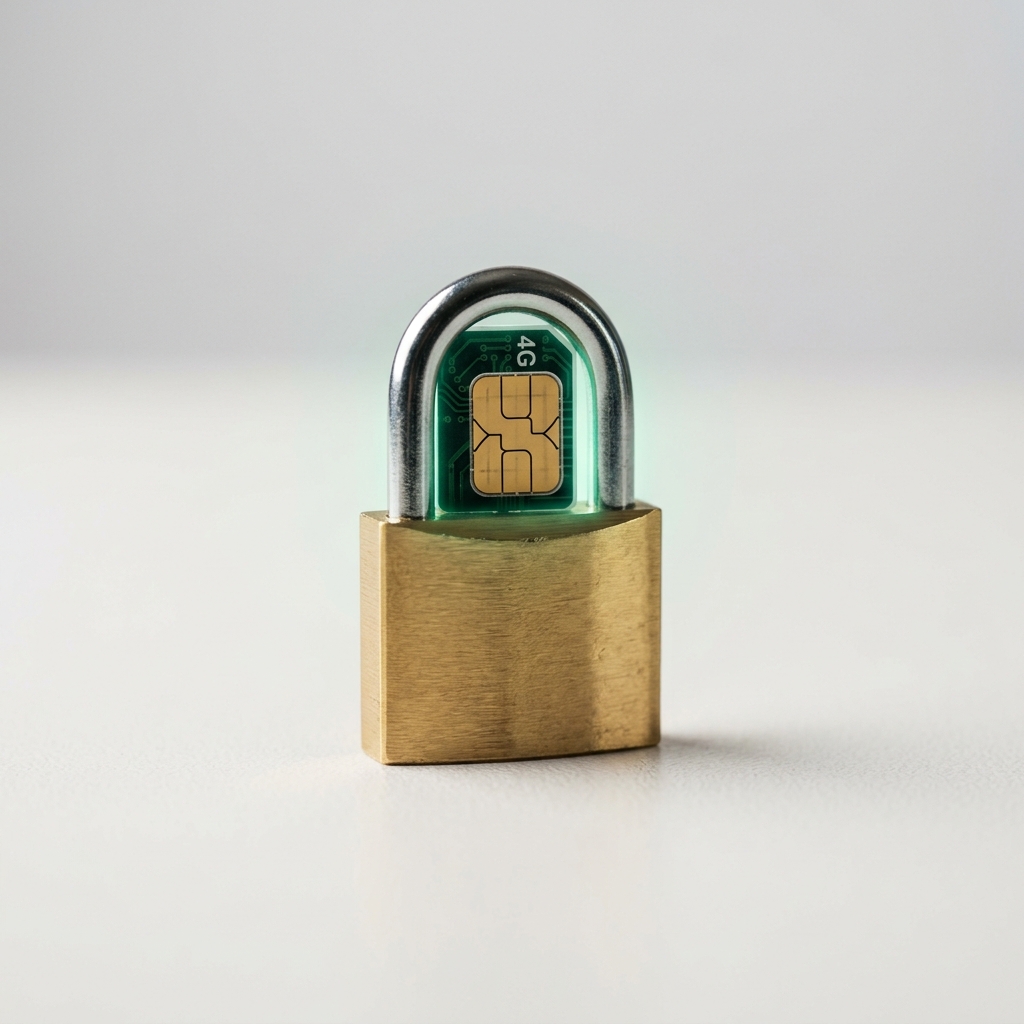
The SIM Swap Heist: How to Prevent the Most Dangerous Phone Hack
Imagine you are sitting at home, scrolling through the news, when your mobile phone suddenly says 'No Service.' You restart it, you check your Wi-Fi, you even wait for an hour thinking it’s a local network fault. But while you are waiting for the signal to return, a criminal miles away has just taken control of your entire life. They have successfully moved your phone number to a new SIM card in their hand. This is SIM swapping, and in 2026, it remains the 'Master Key' scam that bypasses even the best cyber security.
If you are looking for what is sim swapping and how to prevent it, you are researching the most dangerous form of identity fraud. Because we use our phones to receive 'Security Codes' from our banks, the person who holds your phone number effectively holds the keys to your life savings. Today, we'll explain how this heist works and the critical new UK laws in 2026 that are helping us fight back. Reclaiming your data privacy starts with locking your SIM card.
How a SIM Swap Happens (The Human Hack)
A SIM swap doesn't involve hacking your phone's software. It involves 'hacking' a human being at your mobile provider (like O2, EE, or Vodafone). A scammer calls them pretending to be you. They use personal details they bought from data brokers—like your address, your birth date, and your mother's maiden name—to 'prove' their identity. They tell the agent they lost their phone and need to move their number to a new SIM card. Once the agent clicks 'Transfer,' your phone goes dead, and the scammer's phone comes alive with your number.
The 2026 UK SIM Farm Ban
In late 2025 and 2026, the UK government passed strict new laws banning the possession of 'SIM Farms'—devices that allow criminals to send thousands of smishing texts and manage hundreds of stolen numbers at once. While this has disrupted the 'industrial scale' of the scam, individual targeting is still a major risk for high-value targets like retirees.
3 Steps to Prevent a SIM Swap Today
- Set a 'Port-Out PIN': Call your mobile provider today and ask to set a 'Secondary Security PIN' or 'Port-Out Passcode.' This is a separate password that must be provided *in addition* to your personal details before your number can ever be moved. It is the single best defense against this scam.
- Switch to an Authenticator App: Stop using SMS for banking security. Switch your codes to an authenticator app (like Authy). Because the codes are generated on your physical device, not the phone number, a SIM swap won't give the hacker access to your bank.
- Hide Your Phone Number: Do not list your mobile number on your public Facebook or LinkedIn profile. Scammers use this to 'link' your name to your number before they call the provider. This is a vital part of online safety basics.
What to Do If Your Phone Suddenly Dies
If you lose signal in a place where you usually have five bars, don't wait. Use a friend's phone or a landline to call your mobile provider immediately. Ask them, 'Has my SIM card been swapped?' If the answer is yes, tell them it is fraud. Then, immediately call your bank and tell them your phone was compromised so they can freeze your accounts. Speed is the only way to win the race against a SIM swapper.
The Golden Rule: Your phone number is now your digital ID. Protect it at the source by adding a PIN to your mobile account. It takes five minutes and stops the most sophisticated hackers in their tracks.