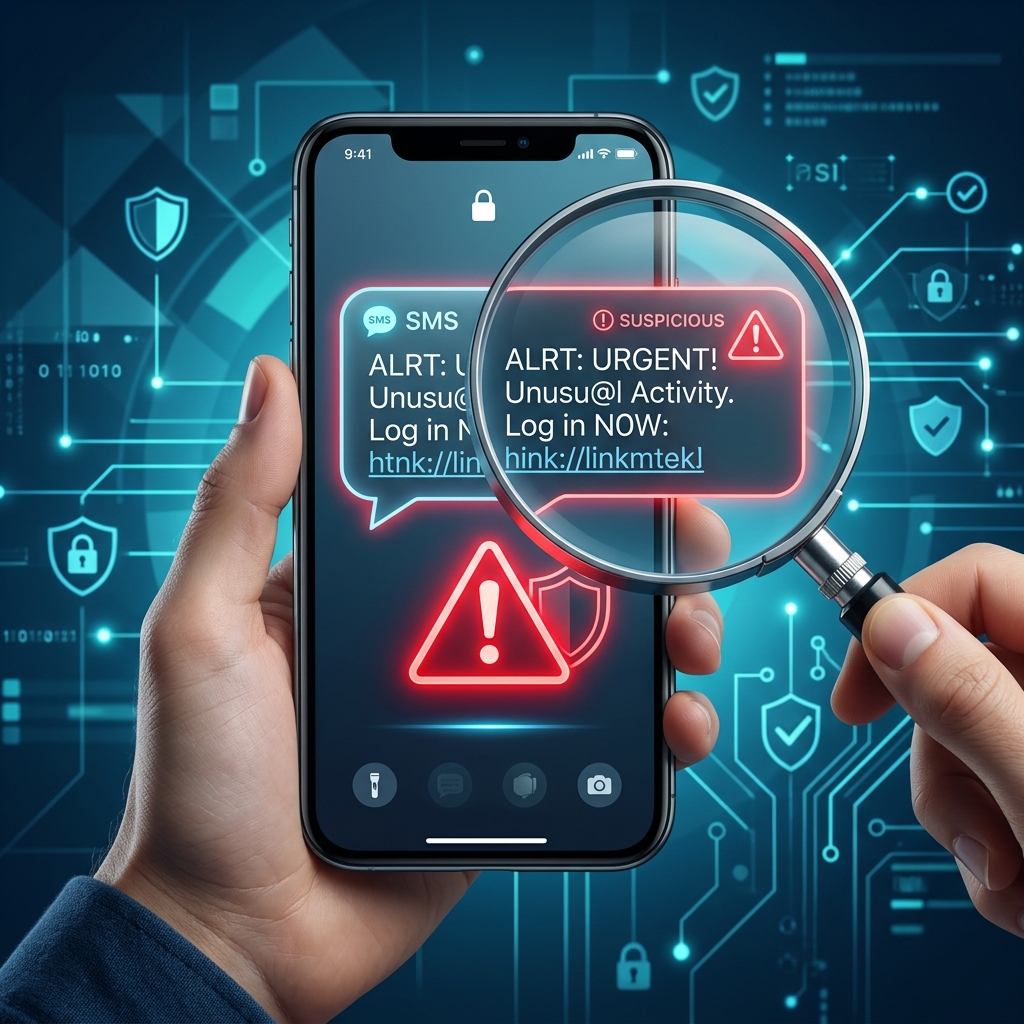
Is This Text a Scam? How to Spot Fake Messages in Seconds
You are enjoying a quiet afternoon when your phone buzzes. It is a text message claiming your bank account is locked, or perhaps a package could not be delivered. Panic sets in. First, take a deep breath. Getting these doesn't mean you've done anything wrong.
Millions of people ask themselves is this text a scam every single day. This specific type of fraud is so common that cybersecurity experts have a name for it: smishing (which just means SMS phishing). Criminals send out thousands of these texts hoping you will act quickly and click their dangerous links.
3 Warning Signs of a Text Scam
Scammers rely on a few predictable tricks. If you spot any of these warning signs, you are dealing with scam messages:
1. A Random Web Link
The message contains a link that looks strange, often a jumbled mix of letters or a slightly misspelled brand name (like Amazon-Support-Login). Real companies rarely send unexpected links via text.
2. Extreme Urgency
They threaten immediate consequences. Phrases like "Action Required Today" or "Your account will be suspended" are designed to make you click before you have time to think clearly.
3. Coming from a Standard Phone Number
Official automated texts from banks usually come from a "shortcode" (a 5 or 6 digit number). If a bank alert comes from a standard 10-digit mobile number, it is almost certainly a scammer texting from a cheap burner phone.
What to Do Next
If you receive one of these texts, do not reply—even to say "stop." Replying just tells the scammer that your number is active. Do not click any links. Instead, use your phone's built-in feature to block the number and delete the text message.
The Golden Rule
When in doubt, throw it out. If a text claims to be from your bank, ignore the text, turn your debit card over, and call the official phone number printed on the back to check your account.